Executive Performance Dashboard 8663415762, 1865475060, 326909500, 1267240841, 1152725010, 120392580

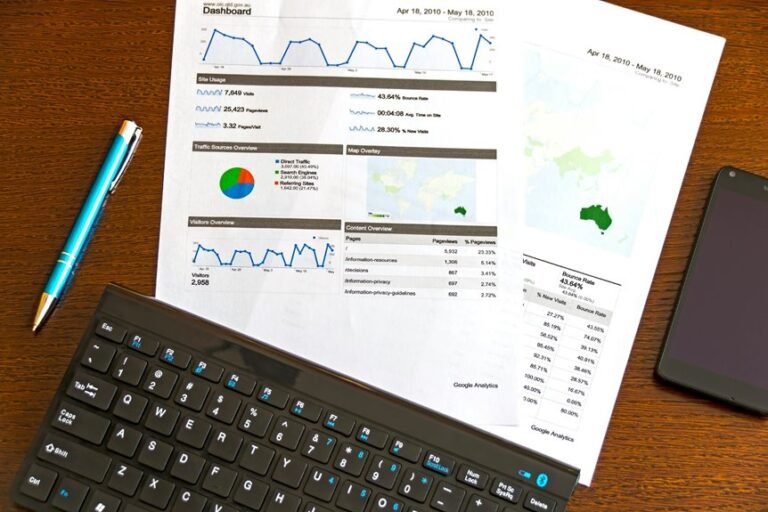
The Executive Performance Dashboard serves as a critical tool for organizational leaders, enabling them to track essential performance indicators relevant to their strategic goals. Its advanced data visualization capabilities facilitate real-time insights, which can significantly enhance decision-making processes. However, the successful implementation of such a dashboard involves careful consideration of technology, data integration, and employee training. Understanding these components is vital for maximizing the dashboard’s potential and ensuring its effectiveness within an organization.
Key Features of the Executive Performance Dashboard
While many organizations seek to enhance decision-making processes, the Executive Performance Dashboard stands out by offering several key features that facilitate comprehensive data analysis and visualization.
Its robust data visualization capabilities enable executives to interpret complex performance metrics easily.
Customizable dashboards allow for tailored insights, ensuring that users can monitor critical indicators relevant to their strategic objectives, promoting informed decision-making and operational efficiency.
Benefits of Real-Time Insights for Executives
Real-time insights provide executives with a significant advantage in today’s fast-paced business environment, as they facilitate immediate access to critical data that informs strategic decision-making.
This capability enhances strategic agility, allowing leaders to adapt swiftly to changing conditions.
Moreover, real-time data enables data-driven decisions, ensuring that actions are based on the most current information, ultimately leading to improved organizational performance and competitive positioning.
Implementing the Dashboard in Your Organization
Implementing an executive performance dashboard requires a strategic approach that encompasses technology selection, data integration, and user training.
Organizations must adopt effective dashboard integration strategies to ensure seamless data flow and usability.
Additionally, comprehensive user training programs are essential to empower employees, enabling them to leverage the dashboard’s features fully.
This systematic implementation fosters a data-driven culture that enhances decision-making capabilities across the organization.
Case Studies: Success Stories From Leaders Using the Dashboard
Numerous organizations have successfully harnessed the power of executive performance dashboards to drive strategic initiatives and improve operational efficiency.
Case studies reveal that effective dashboard adoption significantly correlates with leadership success. Leaders leveraging these dashboards report enhanced decision-making capabilities, streamlined operations, and increased accountability.
Conclusion
In conclusion, the Executive Performance Dashboard exemplifies the intersection of technology and strategic decision-making. By providing real-time insights and customizable features, it not only enhances organizational performance but also fosters a culture of data-driven leadership. However, the success of such implementations hinges on the quality of data integration and user training. The theory that effective data visualization can significantly improve executive decision-making is substantiated by numerous case studies, underscoring the dashboard’s potential as a transformative tool in contemporary business environments.